
Osteoporosis

Bone Up! The Role of Physical Therapy in Preventing and Treating Osteoporosis

According to the National Osteoporosis Foundation, an estimated 10 million Americans suffer from osteoporosis. An additional 44 million have low bone density, putting them at increased risk of developing the disease in their lifetimes. While it’s more common in adults over 50, and more likely to effect women than men, the truth is osteoporosis impacts millions of lives of either sex every year.

Osteoporosis

Joint Health in Aging: Physical Therapy’s Role in Managing Osteoarthritis

Our bodies can present many different challenges as we age, including joints that become stiffer and less flexible. Aging joint cartilage can become thinner, ligaments can shorten and become less flexible, and loss of muscle strength can put extra pressure on your joints. As a result, joints can feel stiff and uncomfortable. This discomfort can be even greater in individuals dealing with osteoarthritis.

Prehabilitation

Prehabilitation: How Starting Physical Therapy Before Surgery Can Lead to Better Outcomes

There’s a growing trend in the world of physical therapy. Many patients that are soon to undergo surgery are opting for a pre-surgical healthcare intervention intended to reduce complications and enhance post-surgical recovery. This intervention is known as preoperative rehabilitation, or prehabilitation (prehab if you’re really into brevity). The proponents of prehabilitation cite its many perceived benefits and low risk (for most people),

Frozen Shoulder

Defrost the Pain: Why Physical Therapy is the Key to Treating Frozen Shoulder

As if aging didn’t present enough challenges, 2-5% of us will eventually experience a painful condition known as “frozen shoulder”. Also known as adhesive capsulitis, frozen shoulder is an inflammatory condition that causes stiffness and pain in the shoulder joint, and significantly reduces range of motion. Frozen shoulder typically affects people 40 and older and is more likely to occur in women.

Nutrition

You Are What You Eat: The Role of Nutrition in Injury Recovery and Prevention

In today’s information-rich world, it’s easy to find conflicting opinions between “experts” in various disciplines. There is no shortage of controversy around many topics that people care about. You would be hard-pressed, however, to find any doctor, dietician, or otherwise-qualified expert that would deny the connection between a person’s diet and their physical health. The nutrition we consume is inexorably linked to our body’s ability to grow,

Mental Health

The Mental Side of Injury Recovery: Staying Motivated and Focused

Recovering from an injury can be a stressful experience. Aside from the physical discomfort, there can be a tendency to think about our limitations and how much less we are able to do at the moment. Questions can arise: How long will it take to recover? When can I go back to work? Will I ever again be able to run/swim/play sports,

Man Stretching

Stretch it Out! The Importance of Stretching for Injury Prevention and Recovery

It’s not exactly breaking news to suggest that stretching is important, but it’s easy to think that it’s just for athletes and gym enthusiasts. The truth is that stretching can play an important role in injury prevention and recovery, especially for people who spend much of their time sitting, like many of us do. Our bodies were built to move,

Surgery

How Physical Therapy Can Help You Avoid Expensive and Invasive Surgery

For many people, surgery can seem like the only solution to pain caused by injuries or degenerative conditions. Chronic pain can be hard to live with, and it’s understandable that people would want a quick and effective solution. Surgery, though, is not always the only option. Often, it may not be the best option. For many conditions,

Mowing Lawn

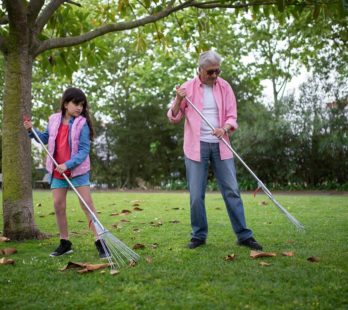
5 Essential Tips for Preventing Injuries During Everyday Activities

Injuries can happen when we least expect them, often during routine activities that we take for granted. We sometimes underestimate the importance of injury prevention, especially in everyday situations. By following a few simple guidelines, you can significantly reduce your risk of injury and maintain your overall health. Here are five essential tips to help you stay safe and injury-free during your daily activities.