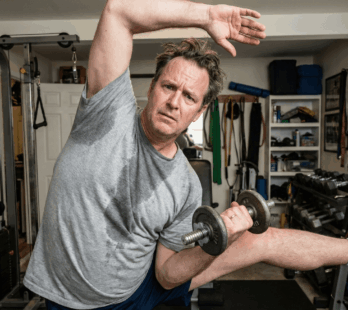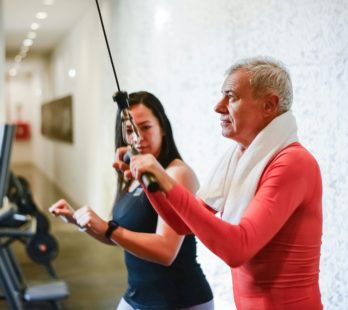

For many people, winter and the holiday season can mean less movement, more sweets, and a tendency to spend a little more time indoors and less time being physically active. If you find yourself nearing the end of a cold and sedentary winter, you may be looking forward to getting active out in the beautiful spring weather. That’s great, but jumping back into activity too fast after a long break can sometimes lead to injury. Before you get moving again, consider these simple, practical ways to move safely and confidently this spring.

Why Injuries Are More Common After a Sedentary Season

Long periods of reduced activity can cause several changes in your body. When muscles are not used regularly, they can lose strength and flexibility. Reduced elasticity in your muscles, ligaments, and tendons can make them more susceptible to strains and tears. Joints can become stiffer and less mobile. Cardiovascular endurance can decrease. You may even find that your coordination and balance are slightly off.

All of this is normal and predictable. All of this also contributes to a greater likelihood of injuries when you return to a more active daily routine. As the warmer weather leads people back to spending more time outside playing sports or doing yard work and other activities, there is an increase in the risk of injuries. Common springtime injuries can include sprained ankles, shoulder strains, back pain, knee injuries and more. Fortunately, many of these injuries are preventable.

Some Simple Steps for Injury-Free Spring Activities

Getting moving again after a long winter doesn’t have to mean pain and discomfort. Most injuries are preventable with proper planning and preparation. Here are some simple steps you can take to make this spring active and pain-free:

  1. Start Slow and Build Gradually
    Don’t just jump in to the same level of activity you may have been used to last year. Ease in and work your way up. Increase activity duration and intensity in small increments. For example, walk 10–15 minutes before jumping into longer or faster sessions. Listen to your body’s response.
  2. Don’t Skip the Warm-Up
    Warm-ups are a great way to prepare your body for more activity.5-10 minutes of aerobic exercise and gentle stretching can increase your blood flow, improve your mobility, and prepare your muscles for greater activity. For example, do some brisk walking or cycling along with some gentle stretches.
  3. Focus on Mobility and Flexibility
    Winter stiffness is common. Focus on mobility early on to help restore movement. Areas to target can include hips, hamstrings, calves, shoulders, and spine. Include some light stretching before and after activities, or as a separate routine.
  4. Strengthen the Muscles That Protect Your Joints
    Strong muscles can reduce the stress on you joints and ligaments. Strengthening your core, hips, and legs can reduce your risk of joint injuries. For example, do some squats, glute bridges, step-ups, or wall push-ups. Intensity is less important than consistency.
  5. Use the Right Gear
    The right attire and equipment can make a huge difference in your risk of injury. If you are wearing old, worn-out shoes, replace them. Wearing supportive footwear when running, walking, or playing sports can prevent ankle injuries. Wear weather-appropriate clothing to avoid overheating. Use any braces or supports that have been recommended to you by a provider.

Many of these steps may seem obvious, but obvious things that are often the easiest to overlook.  Taking some extra time and care to prepare your body for increased activity will not only help you avoid injury, but will also make your springtime activities more productive and enjoyable.

Remember, Recovery Is Part of the Plan

As you return to a more active lifestyle, keep in mind that rest and recovery are essential. Get plenty of sleep. Stay hydrated. Schedule rest days to help tissues adapt and rebuild. Use recovery time to focus on light activity like walking and stretching.

Pay attention to any signs that your body may give you. While normal soreness can be part of a healthy exercise routine, be aware of sharp or worsening pain. Be aware of pain that changes how you move or pain that doesn’t go away after a few days. Look out for swelling. If your body is giving you any of these warning signs, reach out to a medical professional as soon as possible. Early intervention can lead to a faster, more complete recovery.

Get Active and Stay Healthy This Spring

It’s great to get outside and get active in the spring weather. As you do, take care to do it safely. Start slow, warm up, strengthen and stretch, wear supportive gear, and listen to your body. Following these basic steps will help you avoid injury, and avoiding injury will make your springtime activities much more enjoyable.

If you are already experiencing pain or want some guidance on a more active lifestyle, reach out to a local physical therapist. They can provide personalized movement assessments and create custom exercise programs adapted to your abilities and goals. They can also provide professional treatment for any existing aches or injuries. They can also be a great source of education on proper form and progression.

The word mobility may make you think of how well a person can walk or run. When you hear a football announcer talk about a quarterback’s “mobility”, they are talking about how well that quarterback can escape the pocket and make plays with his feet. When a physical therapist talks about mobility, though, they are more likely talking about your ability to move your joints and use your muscles easily and comfortably – not your ability to scramble for a first down.

Your body’s ability to move efficiently and independently during everyday tasks can be affected by your flexibility, strength, balance and coordination. Poor mobility can affect the way you work, the way you exercise, the way you do basic household tasks, and can ultimately be a source of injuries. And mobility issues don’t only impact older adults; they can cause problems for people of any age and any lifestyle. With that in mind, let’s consider 5 of the most common mobility mistakes people make, and how to fix them.

Mistake #1: Confusing Stretching with Mobility 

Stretching is good for flexibility, or muscle length. This can contribute to mobility, but it is not the whole picture. Mobility requires both flexibility and stability, or control. Controlled joint movement through a range is essential for healthy, functional mobility. Improving flexibility will have a limited impact on your functional mobility if you neglect stability.

How to fix it: Incorporate active mobility drills into your routine. Simple exercises like lunges and squats, or activities like stair-climbing or cycling can help strengthen muscles around your joints and add some stability to your activities.

Mistake #2: Ignoring Joint-Specific Mobility

Joints can be stressed and aggravated by nearly everything we do, even sitting too long. It’s easy to ignore particular joints until they get sore or stiff. Be sure to include important joints in your flexibility and strengthening routines. Your hips, shoulders, ankles, and thoracic spine can be particularly susceptible to injury if neglected.   

How to fix it: Focus on joint-specific mobility exercises to be sure nothing is neglected. Remember to pair flexibility with stability for best results. Also, if you find you regularly experience pain or stiffness in a particular joint, consider getting a professional assessment. Simple corrections in posture and movement can make a big difference.

Mistake #3: Sitting Too Much Without Counteracting It

Prolonged sitting can affect your hips, spine, and posture. Desk workers often experience shoulder and neck pain after long sedentary periods. This is becoming more of a problem as more people than ever do their work at computers. Bad posture and bad ergonomics can exacerbate these problems.

How to fix it: Take short movement breaks regularly throughout the day. Walk around, do some basic stretches – any type of movement can play an important role in protecting your joints. Also, put some effort into improving ergonomics, whether it’s your monitor height, your chair height, or any other thing in your environment that can help you sit and work comfortably. Better ergonomics can also help you maintain better posture, putting less stress on your joints.

Mistake #4: Skipping Warm-Ups (or Doing the Wrong Ones)

Sometimes it can feel like a workout is something we have to squeeze into a busy schedule, and it can be tempting to skip warm-ups and get straight to work. It’s not worth it. Working out with cold muscles and stiff joints can increase your risk of injury.

How to fix it: Create a habit of warming up that you can stick with. Set realistic goals. It can also be a good idea to tailor your warm-ups to your activity (walking, gym, sports). When creating a routine, make sure it’s more than just static stretching (see mistake #1). A dynamic warm-up can help get your joints, muscles, and heart ready for your workout.

Mistake #5: Pushing Through Pain Instead of Addressing It

Some amount of soreness can be a normal part of physical activity. Mild muscle aches following a workout are not usually a cause for concern. Sometimes, though, pain can be an indicator of a more serious underlying issue. Pushing through the pain can make the issue worse. Pain can also force compensations that can lead to injury in another part of your body.

How to fix it: Pay attention to your body. If your pain persists, or if it is preventing you from doing things you would normally be able to do, reach out for professional help. Early intervention can be a huge benefit. If there’s ever any doubt, err on the side of seeking medical guidance. Your body is worth it.

These are just a handful of the many mistakes that people make, causing unnecessary disruptions in their daily lives. Maintaining and improving mobility can not only help you stay active and pain-free, but it can also play a big role in improving your quality of life, especially as you get older. Better movement means living a more active, independent life at any age. Keep mobility in mind during your workouts and regular activities. Remember, consistency can be more important than intensity, and remember to reach out for guidance from a skilled physical therapist if you have excessive pain or any questions about your mobility. Small changes today can lead to big improvements in the future.

About 1 in 4 American adults suffer from arthritis. The joint stiffness, pain, and general discomfort can make nearly every aspect of their lives more challenging. Working, playing, and performing basic household tasks can be annoying, frustrating and, at times, excruciating.

Arthritis is a broad term for conditions that affect the joints, joint tissue, and other connective tissues. Some common examples include osteoarthritis, rheumatoid arthritis, and post-traumatic arthritis. It causes aching, burning, or tingling sensations in the joints that often worsen with activity. Since our joints are involved in nearly all our movement, the daily effects of arthritis are impossible for these millions of Americans to ignore.

If you or a loved one are suffering from an arthritic condition, you know that managing the pain and maintaining joint mobility and function is an ongoing task. Fortunately for arthritis sufferers, one of the safest and most effective tools for managing and overcoming the symptoms of arthritis is readily available in most towns and cities across America: physical therapy.

Why Physical Therapy Works for Arthritis Pain     

Physical therapy works because it addresses the root causes of pain, not simply the symptoms. While medications may temporarily mask pain, they do nothing to resolve the underlying conditions that cause it. Physical therapy can help to reduce pain and stiffness and increase strength around the affected joints. It can improve joint mobility and improve daily functions. Rather than providing a one-size-fits-all solution like other medical providers, a physical therapist can create a personalized care plan tailored to your exact condition and needs and adjust that plan accordingly as your needs change.

Physical therapy is less risky than surgery or medication, and it empowers you to take control of your pain management in a way that other medical interventions can’t. We know it works because physical therapists are improving the lives of arthritis sufferers every day.

How Physical Therapy Helps Manage Arthritis

Physical therapists are trained to treat people holistically, meaning they are uniquely qualified to develop a management plan that not only considers your symptoms but your hobbies, plans, and lifestyle as well. They have many different tools and techniques at their disposal. Your physical therapy treatment plan may include:

·         Pain-relief techniques: Targeted stretches, manual therapy, or other modalities like heat or ice can be used to help manage your pain.

·         Targeted exercise programs: Gentle strengthening exercises can help support your joints. Flexibility and range-of-motion exercises can help restore and improve function.

·         Education & joint protection: Learning to move smarter through posture and body-mechanics guidance can help you be more active and productive during daily activities like walking, lifting, or household tasks.

These and many other techniques or modalities can be a part of your pain management journey. Physical therapy can help you move beyond pain management into making other real improvements in your quality of life.

The Importance of Staying Active with Arthritis

Another benefit of physical therapy is that it will encourage and support your efforts to stay active. Movement helps lubricate joints and reduce stiffness. Regular movement is an important part of treating your arthritis symptoms. Too much rest can actually make your symptoms worse. A skilled physical therapist can provide you with tailored stretches and exercises to keep you active and can also be a great source of motivation and encouragement.

It’s also important to move safely. Consistency is more important than intensity. Your therapist can help you be sure you are moving correctly and the right amount. They can also adjust your routines as needed to ensure your routine is optimized and progressing along with you.

How Do You Know When to See a Physical Therapist About Your Arthritis?

The short answer is: anytime, and as soon as possible. A more detailed answer would be to look out for certain signs that you may need some help:

·         If you have difficulty walking, climbing stairs, or gripping objects

·         If your pain limits your daily activities and prevents you from doing what you normally would

·         If you have morning stiffness that lasts more than 30 minutes

These are just a few examples of the warning signs that should have you scheduling an appointment as soon as possible. Also, keep in mind that early intervention can slow the progression of your symptoms and improve your long-term outcomes. Don’t put it off. The sooner you start, the greater your chances of success.

Almost everyone does some amount of walking, and the health benefits are easy to understand. It makes sense to expect running to be even better for your health. If so, how much better is it? How do the risks compare to the benefits? These questions matter because we want to get the most from our exercise routines, and we want to use our time efficiently. If running can produce the same benefits as walking, but in less time, it seems like a no-brainer. Let’s compare the two activities and consider how to best fit them into your life.

The Shared Benefits of Both Walking and Running

As America’s favorite form of exercise (and something that can’t be avoided for many people), walking has long been understood to provide numerous benefits to your health, including lower blood pressure, reduced risk of cardiovascular disease, improved cognitive function – even a reduced risk of cancer1.  

Walking has also been linked to healthier aging in the world’s “Blue Zones”, a designation given to the parts of the world where people are recorded as living longer, healthier lives than in other parts of the world. When researchers study these Blue Zone populations, one of the primary lifestyle characteristics they seem to share is regular walking and other low-intensity physical activities2.

These known benefits of walking are also achieved by higher intensity activities like running. Both activities are also linked to improved mood and mental health. Exercise is known to promote your body’s release of endorphins, which can improve your mood and overall sense of well-being. Running, in particular, has been linked to a reduced risk of depression3.  

There is no doubt that both of these activities have many long-term benefits for both your physical and mental health.

What Sets them Apart

If both walking and running share many of the same health benefits, it seems obvious that running would achieve these benefits more quickly and thoroughly. Wouldn’t it be best to simply replace all walking with running? That may be a good option for many people, but not all. There are some differences to consider:

Walking:

Running:

You may prefer one activity over the other depending on your fitness goals, your current health and joint status, your schedule and lifestyle, or any of several other factors. You may opt for a combination of the two – walking at times and running at others. Ultimately, both activities are healthy additions to any lifestyle, and how you choose to use them is up to you.

Some Tips to Help you Get the Most from Walking and Running

If you want to start walking and running more as part of your fitness routine, or if you want to make sure you get the most health benefits from the walking you already do, there are some practical things to consider.

When walking5:

When running6:

Time and opportunities are limited, so it’s important to get the most benefit you can without taking any unnecessary risks. If you are first starting a new running routine, some pain or stiffness can be normal, but it should improve fairly quickly and be gone within 24 hours. If it doesn’t improve, stop and check in with a health provider.

Walking and running are both great additions to a healthy lifestyle. How much – if any – of each activity you want to add to your daily routine is choice for you to make. In either case, your long-term health has much to gain when you decide to take that first step.

The new year always provides a great opportunity to set goals and make plans for the near future. We often resolve to eliminate a bad habit or create a good one, to improve our health or strengthen our relationships. And while many of these resolutions may go unfulfilled, it’s never a bad idea to aspire to something better.  As we prepare for 2026, it’s a good time to consider establishing real sustainable health habits for the coming year. More than just wishful thinking, setting a realistic goal with an actionable plan can lead to a real change in your life.


What Many People Get Wrong About Health Goals

When people set health goals, they often involve targeting a specific weight or a specific number of workouts. This makes sense, since this gives you a specific, measurable target that’s easy to track. Losing weight and building strength, though, are not the only ways to improve your health. It’s easy to overlook things like mobility, flexibility, and building a resilient body that can limit pain and recover quickly from injuries.

Building a stronger, healthier body that moves better and feels better can be a more sustainable, long-term goal that will serve you well beyond the new year. Losing weight is great if you are overweight, as long you can sustain the habits and keep the weight off. Adding an extra weekly visit to the gym can be great, if you have the discipline and lifestyle that allows you to stick with it. Both goals, though, only serve parts of your overall health. This is why physical therapy can be a great new habit for many people interested in sustainable, long-term changes in the coming year.

Physical Therapy Isn’t Just for Injuries  

It’s easy to think of physical therapy as something you do after an injury or surgery, but it actually serves many more purposes than just recovery. It can be a form of preventative care that improves strength, balance, and flexibility with the guidance of a trained professional. It can help ordinary people treat chronic aches and pains. It can help athletes improve their movement and performance. It can help you prepare your body for surgery, helping you limit risk and improve recovery times. It can help you stay active as you age, work, and live your life.

Physical therapy supports many real-world health goals:

Whatever your health goals for 2026, physical therapy can be a great addition to your plans. Moving better and feeling better about your body can only add to your weight-loss journey, increased workout targets, or whatever else you have planned for the coming year.

So, who can benefit from physical therapy in 2026?

Make 2026 the Year You Move Better

Physical therapy is an investment in your long-term health. When your body moves better, you feel better, and you are less susceptible to injury. This makes everything else you do with your body better, including, work, chores, hobbies, sports, and more.

If you are curious about what physical therapy can do for you, reach out to a local therapist. They are trained to assess your condition and develop a personalized plan to help you improve your strength, flexibility, mobility, balance, and optimize your movement. Take the first step toward a better you in the new year.

One of the great joys of the holiday season is reuniting with friends and family members we don’t get to see for much of the year. Of course, this often means traveling long distances. Whether we travel by air or over the ground, it often means long periods of sitting, fitting into cramped spaces, lifting luggage, and irregular sleep patterns. All these factors can contribute to aches and stiffness that put a damper on our celebration. Fortunately, a few simple habits can make travel far more comfortable, and your holiday season pain-free.

The Biggest Travel Troublemakers

Whatever your mode of transportation, the potential sources of pain and discomfort are consistent. Whether traveling by land or air, your body can be impacted by:

These usual suspects, among others, can make traveling uncomfortable, and can make our holiday visits more painful and annoying than we would prefer. Being aware of these potential troublemakers can help us plan, prepare, and take proactive steps to mitigate the trouble on long road trips and flights.  

Tips for Staying Comfortable on Road Trips

If your holiday plans include a long road trip, planning ahead to make the trip more comfortable can go a long way toward preventing pain and stiffness. Here are some things to consider before you hit the road:

  1. Take a “Movement Break” Every 60–90 Minutes
    Leave enough time in your schedule to take short breaks along the way. Short movement breaks are a great help for your circulation, back stiffness, and hip mobility. Maybe plan some simple stretches to do at each stop.
  2. Set Up Your Seat for Better Posture
    Ergonomics can make a big difference. Adjust lumbar support (or create your own with a rolled towel). Take time to ensure your hips, shoulders, and head are positioned for optimal comfort while traveling.
  3. Stretch in the Passenger Seat
    If you’re not driving, take the opportunity to do some gentle neck rotations, seated hip stretches, or ankle pumps during the trip.
  4. Switch Drivers When Possible
    Plan ahead to allow for multiple drivers if possible. Letting the driver take some time to ride in a more comfortable position that allows more movement and stretching can help every person in the vehicle arrive pain-free and mentally fresh.

Long road trips can be physically demanding when rushed. Allowing enough time to take short breaks and regularly rotating drivers can make a big difference in how rested and comfortable you are when you reach your destination.

Tips for Staying Comfortable on Flights

If your holiday travel plans include air travel, many of the same concerns apply, but there are some differences. Here are some things to consider when taking to the skies:

  1. Choose Smart Seating Positions
    When possible, choose an aisle seat to allow for easier movement. Consider ergonomics: use a small pillow or rolled jacket for lower back support.
  2. Move Around the Cabin (When Safe)
    Take the opportunities you have to get up and move around. Brief periods of walking are very helpful breaks from long periods of sitting.
  3. Do Some In-Seat Stretching
    There are some simple stretches you can do while seated, like shoulder rolls, ankle circles, or seated spinal twists.
  4. Stay Hydrated
    Airplane cabins have very low humidity, and dehydration is a real concern. Drink plenty of water and avoid alcohol or caffeine.

While airplane travel is likely to be much faster than a road trip, it can still take a toll on your body. Be proactive and protect your body from many of the very predictable problems flying can present.

Luggage Tips to Protect Your Back & Shoulders

Another common culprit in holiday travel pain is luggage. Lifting, pulling, and carrying heavy bags can easily contribute to pain and stiffness. If heavy bags are likely to be a part of your holiday plans, here are some tips to avoid trouble:

  1. Lift With Your Legs, Not Your Back
    This is common advice most of us have heard since childhood, but it’s easy to forget when you’re in a hurry and have so many other things to worry about.
  2. Alternate Hands When Rolling Luggage
    If you are rolling luggage, regularly alternating hands can help prevent one-sided strain that can later become pain or stiffness.
  3. Keep Bags Light and Balanced
    Avoid over-stuffing carry-ons and try to pack your bags so that the weight is evenly distributed. It’s often better to use two smaller bags instead of one heavy one.
  4. Use Backpacks Correctly
    If you are using a backpack, be sure that you are using both straps and that it fits snugly. Again, avoid excessive weight.

Luggage is an inevitable part of travel, but pain doesn’t have to be. Keep your body in mind while packing, loading and carrying luggage.

When Travel Pain Isn’t Normal

Some amount of pain and discomfort can be expected from most physical activities, but there are times when it goes beyond what’s normal and expected. Pain that persists or recurs for weeks can be a sign of a more serious underlying problem. Pain that prevents you from performing your normal daily tasks can indicate that it may be time to seek out a medical professional. If you’re ever in doubt, err on the side of seeking professional guidance from your physical therapist or doctor.

Physical therapy can benefit people in far more situations than most realize. Physical therapists help people with chronic pain, mobility issues, balance issues, and are invaluable resources for someone recovering from surgery or rehabbing an injury. They can even help prepare your body before surgery. Because of their training and whole-body approach to medicine, they are uniquely qualified to diagnose and treat many conditions. Whatever your age, occupation, lifestyle, or fitness level, the right physical therapist can help you move better and feel better.

That said, choosing the right physical therapy clinic matters. Not all clinics offer the same services, level of attention, or patient experience. Making the right choice can make a huge difference in your outcomes, whether that means a speedier recovery, reduced pain, greater motivation, or professional guidance. Depending on your circumstances and needs, it’s good to have some ideas about what to look for and what red flags to avoid.

Start with Your Needs: What Are You Looking for Help With?

Different injuries, conditions, or circumstances may require specialized therapists offering specific services. Different clinics may offer services more appropriate to your needs. For instance, are you dealing with an injury to a specific body part? Is it work-related? Is it a sports injury? Maybe you need help with your balance or with gait training. While most physical therapists take a holistic approach to treatment, there are many specialized categories of therapy that may supplement your treatment program in an enormously beneficial way (for example, occupational therapy, sports medicine, hand therapy, speech therapy, etc.).

If you are dealing with a situation that includes wrist pain, for instance, a clinic offering specialized hand therapy can be a big advantage. Finding a physical therapy clinic able to accommodate your specific needs can lead to much better, faster, longer-lasting outcomes.

Key Questions to Ask Before You Commit

If you feel like you’ve narrowed down your search and are ready to decide, there are some key questions you should consider before committing to a specific clinic. The answers to these questions should help you choose wisely and help you feel confident in your decision.

  1. “What qualifications do the therapists have?”
    Look for licensed Physical Therapists (DPT), Physical Therapist Assistants (PTA), certified Hand Therapists, or other certifications. A good clinic will happily share this information.
  2. “Will I see the same therapist each visit?”
    While a treatment plan can include different types of services at different times, you should know whether you will be seeing the same therapist(s) on each visit. Consistency matters for progress and trust, helping you feel confident and helping your therapist(s) accurately track your progress and update your treatment plan. A clinic constantly rotating patients can be seen as a red flag.
  3. “How long are appointments?”
    Longer, one-on-one time often leads to better results. Many large corporate clinics rush visits. Good clinics don’t.
  4. “Do you offer one-on-one treatment and personalized care?”
    Patients should expect hands-on care, personalized attention, and a plan tailored to their specific needs.
  5. “Do you provide specialized services?”
    These can include Hand Therapy, Dry Needling, Sports Medicine, Occupational Therapy, Balance & Fall Prevention, Chiropractic Care, and more. A wide range of services means more complete care and specialized attention to your personal needs.
  6. “Is the clinic conveniently located?”
    Easy access to your therapist is important for consistency and long-term success. This can be especially important for people recovering from surgery or experiencing chronic pain.
  7. “What does insurance coverage look like?”
    Confirm the clinic works with your insurance and what your expected cost will be.

What Good Physical Therapy Care Actually Looks Like

Good care will make you feel comfortable and confident. It will be patient-centered and attentive to your needs. You should feel heard and understood, with a therapist that listens, asks questions, and explains things clearly. You should receive a treatment plan that is customized and evolves as you improve. Good care will include tracking your progress, reassessing your needs and goals along the way. You should never feel rushed, with ample time to ask questions about your treatment. A good clinic should provide a welcoming, professional environment with a supportive staff.

If you’ve made the right decision, you should feel encouraged during your treatment. You should feel like you understand why your therapist is asking you to do something. You should feel like you understand your home program and how it helps recovery. Importantly, you should notice improvements and feel like you are making progress, even if there are setbacks along the way.

Choosing the right physical therapy clinic is an important choice that will have a major impact on how productive and successful the experience is for you. If you are already dealing with a physical therapist and have questions about whether you made the right choice, it’s never too late to consider switching. You may want to consider another option if you feel more like a number than a person, if you’re being rushed through visits, or if you feel like communication is poor or inconsistent. If your treatment doesn’t change even when your condition does, or if you feel like you’re not seeing progress at all, it may be time to consider other options.

Your health is your most valuable asset, and it affects your quality of life like nothing else can. Choosing a physical therapist can be a great investment in your health and well-being, especially if you choose the right physical therapist.

Our hips are a central part of so much of what we do every day that it’s easy to take them for granted. Hip rotation and mobility affect our walking, sitting, bending, balancing, and so much more. This becomes obvious as soon as we experience some pain or stiffness in our hips. Suddenly, many simple tasks and activities can become excruciating, if not impossible.

Healthy hips with healthy rotation and mobility make our lives much more productive and enjoyable. It’s worth investing some time into building and maintaining the healthiest hips possible. 

What Hip Rotation Actually Is (In Plain English)

Our hips contain very large ball-and-socket joints that connect our upper and lower bodies. They must move freely in different ways to help us do the many things we do each day. “Hip rotation” is how we describe these movements. There are two main types of hip rotation – internal rotation and external rotation:

Internal Rotation – Internal rotation describes the way your hips move when you turn your knees inward. This can happen when you’re stepping out of a car, swinging a golf club, or just putting on a pair of pants.

External Rotation –External rotation describes the way your hips move when you turn your knees outward. This can happen when you’re crossing your legs, kicking a soccer ball, or putting on your socks and shoes.

When we refer to hip rotation, we are referring to the way your thigh bones twists in relation to your pelvis. Healthy hip rotation and mobility are essential to keeping your life active and productive.

Why Hip Rotation and Mobility Matter for Everyday Life

Hip rotation and mobility play such an important role in our everyday lives that it’s worth digging a little deeper to investigate exactly how essential they are. There are many good reasons to care about and invest in healthy hips, including:

  1. Better Walking and Balance
    Hip rotation keeps your gait smooth and efficient. Poor mobility can lead to awkward steps, shorter stride, or increased risk of tripping.
  2. Easier Bending, Squatting, and Lifting
    This affects everyday tasks like picking up groceries, playing with kids, or gardening. Tight hips force the lower back to work overtime, leading to discomfort and fatigue.
  3. Less Stress on your Knees and Lower Back
    When hips don’t move well, surrounding joints compensate. This can contribute to knee pain, lumbar stiffness, or overuse injuries.
  4. Prevention of Common Injuries
    Hip mobility supports core stability and reduces strain in movements. Healthy, functional hips can help you avoid overuse injuries in other body parts, and injuries from stumbling or falling.

You can easily think of many scenarios in which your hips are playing a role. Even if your hips are not at the top of your mind every day, they certainly will be as soon as you lose that rotation and mobility that we all rely on for so much of our everyday lives.

How to Maintain Healthy Hips

Since your hips are part of your body, doing what you can to maintain your overall health is important. Get plenty of sleep, eat a heathy diet, and exercise regularly. For your hips specifically, you should consider incorporating some hip stretches and exercises into your regular exercise routine. Simple stretches like a hip flexor lunge or figure-4 stretch can be performed in a couple of minutes and go a long way toward helping you keep your hips healthy and mobile.  

Signs That Your Hip Mobility May Be Limited

If you have questions about your current hip health, there are some basic signs you can look for to see if your hip mobility may already be limited. For instance, you may feel some stiffness when getting in or out of a car. You may have trouble crossing one leg over the other. You may experience wobbling or shifting during squats or lunges. You may feel like your lower back is doing most of the work when bending or rotating.

Any of these can be a signal that you may want to reach out to a professional like a physical therapist to have your hips evaluated. There are also some simple tests you can try at home to evaluate your hip health. If you want to try these, just be sure that safety is your first priority.

Some Simple Tests to Try at Home:

  1. Seated Hip Rotation Check
    Sit upright. Carefully rotate the lower leg inward and outward.  Note differences between sides or areas of stiffness.
  2. Figure-4 (Cross-Leg) Check
    Can you rest your ankle on the opposite knee comfortably? Do you feel excessive tightness?
  3. Standing Rotation Test
    Stand tall and rotate your body left/right. Notice if the hips rotate naturally or the back compensates.

These tests are obviously no substitute for a professional evaluation, but they can give you an idea of whether you have hip rotation or mobility issues that you should investigate. If you want a professional opinion, a good place to start is with a qualified physical therapist. They can provide you a thorough examination and diagnose any potential causes of concern. They can also create a personalized exercise program based on your condition and abilities, allowing you to work on building the strong healthy hips you need to live a long, independent, and active life.

Your hip joints are the second biggest joints in your body, and are crucial parts of much of what you do. As a bridge between your upper and lower body, they play a vital role in your movement, while also providing shock absorption and protecting your lower back from strain. Walking, running, and jumping would be impossible without them.

As a ball-and-socket joint, the hip allows movement in multiple directions, with surrounding muscles, ligaments, tendons and cartilage allowing it to move smoothly through many of our everyday movements1. Because it supports so much weight and endures so much movement, it can also be susceptible to overuse and injuries. It becomes even more vulnerable as we age, especially if it’s been stressed through a more athletic lifestyle.

Because of how important they are to so many of our normal daily activities, maintaining their mobility and flexibility is essential.

Why Hip Mobility and Flexibility Matter

Though you may not always think about them, your hips are almost always doing something important: supporting your body weight, helping you maintain your balance, and moving your legs. When your hips are tight or sore, it can impact your ability to walk, bend, or even rest properly. Functioning hips are essential for:

Even if you’re not an athlete and don’t live a particularly active lifestyle, stiff or painful hips will affect your daily life in many ways. As long as they are flexible and strong, they are easy to ignore, but as soon as they tighten up it becomes impossible.

Common Causes of Tight Hips

Tight hips may be more common among older adults, but none of us is completely safe. There are several factors that can contribute to hip tightening, and any of us can fall victim. Some common causes of hip tightness include:

When our hips tighten, it can quickly become clear how important they are. Often, what people experience as lower back pain can actually be attributed to the hips2.

The 5 Hip Stretches You’re Probably Not Doing (But Should Be)

As the title suggests, this article isn’t just about how important our hips are; it’s also about what we can do to maintain and build mobility and flexibility. This is important for avoiding injury, but can also improve your performance – whether in sports or just your daily life. With that in mind, here are 5 hip stretches you should consider adding to your life:

1.    90/90 Hip Stretch

This is great for desk workers and athletes alike. It can help to open both internal and external rotation in your hips.

How to do it:

  1. Sit on the floor with your knees bent.
  2. Position your front leg with your thigh straight ahead and your knee bent at a 90-degree angle.
  3. Position your back leg to the side, also bent at 90 degrees (Imagine both knees forming two “L” shapes — one in front, one to the side.)
  4. Keep your torso upright and your spine straight. You should feel a light stretch in your front hip and glute.
  5. Lean forward slightly over your front leg to deepen the stretch in your outer hip (glute and piriformis).
  6. Hold for 20–30 seconds, then switch sides.

2.    Seated Hip Internal Rotation Stretch

This is a great stretch for improving knee alignment and gait mechanics. It helps to strengthen neglected internal rotators.

How to do it:

  1. Sit tall on a chair with both feet flat, knees and hips at ~90°.
  2. Without lifting the foot, drop your right knee toward the midline (inward).
  3. Move slowly until you feel a comfortable stretch deep in the outer/right hip or along the front of the hip.
  4. Hold 20–30 seconds, then bring the knee back to neutral with control. Switch sides.

3.     Figure 4 Stretch (Seated or Lying)

The Figure 4 Stretch targets the glutes, piriformis, and outer hip muscles. It’s great for relieving lower back tension and improving hip mobility.

How to do it:

  1. Sit tall in a sturdy chair, feet flat on the floor, knees bent at 90°.
  2. Cross one ankle over the opposite thigh, resting your right ankle just above your knee so your legs form the shape of the number “4.”
  3. Keeping your spine straight, gently lean forward from your hips until you feel a stretch in your right glute and outer hip. Avoid rounding your back.
  4. Stay in the stretch for 20–30 seconds, breathing deeply. You should feel a firm but comfortable stretch, not pain. Switch sides.

4.     Half-Kneeling Hip Flexor Stretch (with reach)

The Half-Kneeling Hip Flexor Stretch is one of the best ways to release tightness in the front of the hip and thigh, particularly the hip flexors and psoas muscle.

How to do it:

  1. Get into a half-kneeling position on a soft surface or mat.
  2. Bring your right knee to the ground and place your left foot in front, creating two 90° angles at your knees (like the bottom of a lunge).
  3. Raise your right arm (the same side as the kneeling leg) overhead. Gently reach up and slightly across your body to the opposite side.
  4. Hold for 20–30 seconds, breathing slowly and deeply. You should feel the stretch through the front of your hip, thigh, and lower abdomen. Switch sides.

5. Frog Pose (Adductor Stretch)

The Frog Pose Stretch (also known as the Adductor Stretch) is a deep hip-opening exercise that targets the inner thighs (adductors), groin, and hips. It’s especially effective for improving hip mobility, flexibility, and comfort in movements like squatting, lunging, or sitting cross-legged.

How to do it:

  1. Start on all fours. Begin on a mat in a tabletop position with your hands under your shoulders and knees under your hips. Keep your spine neutral and your core engaged to support your lower back.
  2. Slowly slide your knees out to the sides as far as is comfortable, keeping them in line with your hips. Turn your feet outward (so the inner edges of your feet and ankles rest on the floor).
  3. Gradually lower your forearms to the mat, keeping your chest and spine long. Engage your core and gently press your hips back toward your heels. You should feel a deep stretch in your inner thighs and groin.
  4. Hold for 20–45 seconds, breathing slowly and deeply through your nose. Reset and repeat.

These are just a handful of helpful stretches to help you keep your hips mobile and flexible. Making a habit of performing stretches like these regularly will go a long way toward helping you maintain healthy, functional hips. Your healthy hips will go a long way toward helping you maintain a happy, healthy, active lifestyle.  

Sources

  1. “Hip Joint: Anatomy & How It Works.” Cleveland Clinic, 30 Jan. 2023, my.clevelandclinic.org/health/body/24675-hip-joint. Accessed 11 Nov. 2025.
  2. Cyril, George. “Dealing with Lower Back Pain? It Might Be Your Hip.” Hospital for Special Surgery, 22 Apr. 2024, www.hss.edu/health-library/move-better/lower-back-hip-pain. Accessed 6 Nov. 2025.

You may have heard of a technique called dry needling and wondered what exactly it is. Sticking needles in your skin to treat musculoskeletal pain may sound a little strange. It’s basically acupuncture, right? Not exactly. While there are some similarities, there are some important differences, too. Acupuncture is an ancient technique that has been a part of traditional Chinese medicine for about 3000 years. It is intended to balance the flow of chi, or your body’s life force, through various pathways in your body. It has been used to treat a wide range of conditions, including pain, fatigue, anxiety, depression and more. It has been studied extensively and is generally considered a safe and effective treatment for many conditions.

Dry needling, however, is not acupuncture. They both involve using thin needles and may be complementary treatments, but dry needling is exclusively used to treat pain and movement issues, and it usually is prescribed as part of a larger pain management plan that can include many other treatment techniques1.

How is Dry Needling Different from Acupuncture?

Dry needling is not a part of ancient Chinese medicine. It is a modern technique based on modern science and typically provided by certified physical therapists or licensed acupuncturists. It is embraced by western medicine and regulated in each state2.

While both techniques involve needles, dry needling will typically use fewer needles and target different parts of the body. The point of acupuncture is to regulate the flow of energy, and it is used to treat a variety of conditions. Dry needling, on the other hand, targets specific myofascial (muscle and surrounding connective tissue) trigger points and is used specifically to treat musculoskeletal and neuromuscular pain.

How Does it Work?

Dry needling involves the insertion of needles into specific trigger points. These trigger points are sensitive, knotted areas that develop in your muscles, and are often associated with pain. This pain can be local to the trigger point or can be “referred” pain that occurs elsewhere in the body. Dry needling applied to these trigger points can reduce pain by decreasing muscle tightness and increasing blood flow3.

There is no medication or any other type of substance inserted into the body during dry needling. This is why it is referred to as “dry”. (Acupuncture is also a “dry” technique). The intervention is purely mechanical, with the pain relief resulting solely from the stimulation of the trigger points.

The science behind dry needling began in the 1930s and 40s, with multiple research papers published throughout the 20th century. Trigger points and associated pain points have been mapped and verified throughout the human body. The technique is well-established and embraced by modern medicine.

While the science has been understood for several decades, dry needling wasn’t a popular treatment option until after the year 2000. As more research was done and the safety and effectiveness were clearly established, more physical therapists wanted to make the treatment available to their patients. It was in 2015 that the Federation of State Boards of Physical Therapy (FSBPT) and the American Physical Therapy Association (APTA) worked with several dry needling experts to establish a core set of standards to allow physical therapists to use dry needling in their clinical practices4.


Dry Needling Can Treat Several Common Conditions  

Dry Needling is almost always included as part of a larger treatment program rather than a standalone treatment, but there are many common conditions for which it can play an effective role in a patient’s pain management plan. This is why it’s a good idea to see a physical therapist that takes an integrative approach to pain management. They will be uniquely qualified to assess your condition and determine whether dry needling would be an effective part of your treatment strategy. Some of the most common conditions treated by dry needling include:

Your physical therapist will give you a thorough assessment to help determine the source of your pain and craft an effective treatment strategy. Your therapist may recommend a single dry needling session, multiple sessions, or none. If dry needling is part of your recommendation, you should know that it is a safe, research-supported therapy provided by trained professionals, and most people report minor or no discomfort at all during treatment.

After treatment, since dry needling targets trigger points that develop within stressed muscles, it’s normal for patients to experience some mild soreness for a short time. Your therapist may recommend some simple stretches you can do to help speed up your recovery time. Other suggestions to help you recover include staying hydrated and getting plenty of rest. Any discomfort should not last long after your treatment, and patients commonly experience reduced pain and improved range of motion quickly after the treatment is completed.


Is Dry Needling Right for You?

Since dry needling is known to be a safe and effective treatment for a wide range of conditions, it makes sense to wonder if this is a good treatment for you. That will depend on several different factors. While it’s safe for most people in most situations, it may not be appropriate if you are experiencing certain medical conditions or if you have an intense fear of needles. Your best option is to consult a trained physical therapist who can give you an assessment to determine whether this innovative treatment option is a good fit for you.

Sources

  1. “Dry Needling & Physical Therapy | Cleveland Clinic.” Cleveland Clinic, 20 Feb. 2023, my.clevelandclinic.org/health/treatments/16542-dry-needling.
  2. American Physical Therapy Association. “Dry Needling State Laws.” APTA, 19 July 2022, www.apta.org/patient-care/interventions/dry-needling/laws-by-state.
  3. Johnson, Kara. “On Pins and Needles: Just What Is Dry Needling? – Mayo Clinic Health System.” Mayoclinichealthsystem.org, 2019, www.mayoclinichealthsystem.org/hometown-health/speaking-of-health/on-pins-and-needles-just-what-is-dry-needling.
  4. McAphee, Darius, et al. “Dry Needling: A Clinical Commentary.” International Journal of Sports Physical Therapy, vol. 17, no. 4, 1 June 2022, https://doi.org/10.26603/001c.35693.